
Sustainable Farming Solutions by Aono OA
The Essence of Sustainable Agriculture Explained
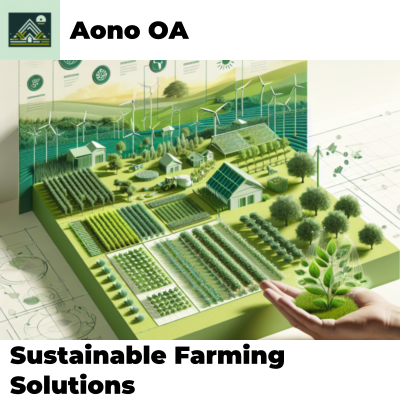
Sustainable agriculture is a dynamic and evolving practice that focuses on producing food, fiber, and other plant and animal products using farming techniques that protect the environment, public health, human communities, and animal welfare. This type of farming enables us to produce healthful food without compromising future generations' ability to do the same.
Why Sustainability Matters in Agriculture
The concept of sustainable agriculture integrates three main goals—environmental health, economic profitability, and social equity. A variety of philosophies, policies and practices have contributed to these goals, but in essence, sustainable farming systems are designed to meet the needs of the present without compromising the ability of future generations to meet their own needs.
Core Techniques in Sustainable Farming
Farmers and gardeners who pursue sustainability will focus on methods that do not merely seek to minimize harm to the environment, but actively improve it. These include several key techniques that are both innovative and traditional.
Crop Rotation and Diversity
Crop rotation and diversifying plant life are fundamental to sustainable farming, offering numerous benefits:
- Pest and weed control: Rotating crops helps break cycles of pests and diseases.
- Improved soil health: Different plants contribute different nutrients to the soil, improving its overall fertility over time.
Organic Farming Practices
By avoiding synthetic fertilizers and pesticides, organic farming enhances biodiversity, biological cycles, and soil biological activity, all of which are key to long-term fertility and successful farming.
Water Management Techniques
Efficient water use and conservation are critical in sustainable farming:
- Drip irrigation: This method delivers water directly to the roots of plants, reducing wastage common in other watering methods.
- Rainwater harvesting: Collecting rainwater to use in irrigation during drier periods helps reduce dependence on scarce water resources.
Sustainable Livestock Management
Raising livestock sustainably means integrating animals into the farm in a way that mimics natural processes, thereby enhancing, rather than degrading, the quality of the farm environment.
Integration of Crop and Livestock
The benefits of integrating crop and livestock operations are numerous:
- Natural fertilizer production: Animal waste provides a rich, natural source of nutrients for plant growth.
- Increased biodiversity: A more diverse farm ecosystem is more resilient and productive.
Grazing Techniques
Managed grazing techniques ensure that livestock density does not exceed the carrying capacity of the land, thus maintaining an ecological balance.
Conservation of Energy and Resources
Renewable Energy Solutions
Incorporating renewable energy into a farming operation can significantly reduce carbon footprints:
- Solar panels
- Wind turbines These resources provide clean, inexhaustible energy to power various farm operations.
Reducing On-Farm Energy Consumption
Strategies to reduce energy consumption include:
- Improving equipment efficiency: Regular maintenance and updates can improve the efficiency of farm machinery.
- Insulation and energy management: Proper insulation of buildings and careful management of energy resources drastically reduce energy waste.
Aono OA: Pioneering Sustainable Farming in San Jose
Aono OA is dedicated to helping local farmers translate the principles of sustainable agriculture into practice. By providing tailored sustainable farming solutions, Aono OA enables small farm holders to optimize their production while adhering to sustainable practices that benefit both the environment and the community.
Services We Offer
- Soil Health Management: Customized plans to enhance soil structure, fertility, and biodiversity.
- Water Usage Efficiency Plans: Innovative solutions for maximizing water efficiency.
- Pest Management that Protects: Strategies that use natural antagonists and barriers to pests, reducing the need for chemical inputs.
Offering more than just advice, Aono OA collaborates with farmers every step of the way to ensure that sustainable farming methods are successfully implemented and maintained, leading to a more productive and sustainable agricultural system.
To learn more about how these practices can be implemented on your farm, or for a detailed consultation:
- Phone: (408) 555-2323
- Email: [email protected]
The Economic Viability of Sustainable Farming
Adopting sustainable agricultural practices not only benefits the environment but also bolsters the economic standing of farms by reducing input costs and enhancing crop resilience.
Cost Savings through Efficiency
Sustainable farms often experience lower operating costs because they utilize resource-efficient technologies and methods. Examples include:
- Integrated pest management: This reduces the costs associated with chemical inputs by relying on biological pest controls and other innovative methods.
- Natural fertilization techniques: Using livestock manure or composted plant waste cuts down on the need for purchased chemical fertilizers.
Market Benefits of Sustainable Practices
There is a growing consumer demand for sustainably produced goods. Farms that market their products as environmentally friendly or organic can often command higher prices, which translates to greater profit margins.
Enhancing Community Relationships and Education
Sustainable farming also places a strong emphasis on benefiting the community and fostering relationships among farmers and consumers.
Community Supported Agriculture (CSA)
- Direct sales opportunities: CSAs allow farmers to sell directly to consumers, often before the growing season begins. This provides farmers with upfront working capital and strengthens consumer relationships.
- Educational outreach: By opening farms to the community for tours, workshops, and other events, sustainable farmers educate the public about the importance of sustainable practices and local food systems.
Building a Sustainable Future
Sustainable farming practices contribute to the local economy, create less environmental impact, and produce nutritious, chemical-free crops—helping to build healthier communities.
Challenges and Solutions in Transitioning to Sustainable Farming
Transitioning to sustainable methods is not without its challenges, but with knowledgeable support and innovative solutions, these can be effectively managed.
Capital and Initial Costs
Investing in new technologies or changing production practices can be costly initially:
- Grants and subsidies: Numerous government and private programs offer financial assistance to farmers transitioning to sustainable practices.
- Shared machinery programs: Cooperatives or community programs can reduce the cost of expensive equipment by sharing resources among farmers.
Knowledge and Training
- Workshops and training programs: Aono OA provides regular training sessions and resources to educate and support farmers in their transition to sustainable practices.
Conclusion: Embracing Sustainable Innovation with Aono OA
Embracing sustainable agriculture is not just about adopting an array of new practices; it’s about changing perspectives towards land, resources, and community involvement. Aono OA is at the forefront of making these changes manageable and profitable for local farmers. Our approach goes beyond mere compliance with sustainable techniques — we foster a deep understanding and appreciation of these practices among the farmers we work with.
We craft customized solutions that acknowledge the unique challenges faced by each farm, offering ongoing support and innovation so that farmers don't just adopt sustainable practices but thrive because of them. Our goal is to empower each farm to be a beacon of sustainability — economically viable, environmentally sound, and socially responsible.
To embark on a journey towards sustainable farming with us, or for any inquiries about our methods and services, please contact Aono OA:
- Phone: (408) 555-2323
- Email: [email protected]
Together, let's cultivate a sustainable future that enriches both our lands and our communities.
Deepening Understanding of Ecological Benefits
Part of sustainable farming involves recognizing the ecological benefits that these practices bring to the table. This understanding not only enhances a farmer's ability to implement these methods effectively but also boosts the overall sustainability of the agricultural ecosystem.
Enhancing Soil Biology and Structure
Healthy soil is the cornerstone of any successful farm, and sustainable agriculture places a major emphasis on maintaining and improving soil health.
- Cover cropping: This technique involves growing crops that add nutrients, manage soil erosion, improve soil structure, and enhance biodiversity.
- Reduced tillage: Limiting how often soil is tilled preserves soil structure, reduces erosion, and helps maintain organic matter levels within the soil.
Biodiversity and Its Role in Farming
Biodiversity is critical for resilient farming systems:
- Crop diversification: Planting a variety of crops can reduce dependency on one type of agricultural input and enhance pest and disease resistance.
- Wildlife habitats: Creating habitats can support local wildlife, which can contribute to the ecological health of the area and aid farming through natural pest control and pollination.
Incorporating Technology into Sustainable Practices
Technology plays a crucial role in modern sustainable farming by enabling more precise and efficient use of resources. Aono OA integrates state-of-the-art technologies to maximize farm productivity and sustainability.
Precision Agriculture
- GPS and sensor-based technology: These tools help in precise planting, fertilizing, and watering, which improves yields and reduces waste.
- Data analytics: Leveraging farm data to understand crop performance and optimize growth conditions without overusing resources.
Sustainable Tech Innovations
- Automated irrigation systems: They ensure that crops receive the exact amount of water needed, significantly reducing water wastage.
- Solar-powered farm equipment: This reduces reliance on fossil fuels and lowers greenhouse gas emissions.
Tailored Sustainable Agriculture Plans by Aono OA
Every farm has unique needs and challenges, which is why Aono OA offers customized sustainable farming plans. These tailored plans are designed to meet the specific requirements of each farmer, ensuring that sustainability goals are met and that the farm remains productive and profitable.
Consultancy and On-going Support
- Initial assessment and ongoing review: Understanding the specific needs and potential of each farm helps Aono OA provide continual support that adapts as the farm grows and changes.
- Community networking: Connecting farmers with local, sustainable farming networks to facilitate learning and sharing of best practices.
Implementing Sustainable Solutions
- Resource management strategies: Optimal use of water, soil, and natural resources through effective management plans.
- Regenerative agricultural practices: Techniques that restore and enhance the natural processes of the farm ecosystem.
The Role of Policy in Supporting Sustainable Farming
Public policies can greatly influence the adoption of sustainable farming practices. Familiarizing oneself with local, state, and national agricultural policies can provide additional support and resources for farmers wanting to transition to sustainable methods.
Understanding and Utilizing Farm Policies
- Subsidies for sustainable practices: Many governments offer incentives for renewable energy installations, water-saving equipment, and organic certifications.
- Education and training programs: These programs are often subsidized or provided free of charge to help farmers learn new sustainable techniques and practices.
Advocacy and Community Engagement
- Local farming coalitions: These groups advocate for policy changes that support sustainable practices on a larger scale.
- Community educational outreach: Raising public awareness about the benefits of sustainable agriculture can lead to greater community support and demand for sustainably produced products.
Fostering Long-Term Sustainability with Aono OA
At Aono OA, we believe that sustainable farming isn't just a method of cultivation—it's a commitment to future generations. Our expert team is dedicated to assisting farmers in making the transition to more sustainable practices, ensuring that they not only achieve but also maintain and build upon their sustainability goals.
To partner with Aono OA and start your journey toward more sustainable and profitable farming practices:
- Phone: (408) 555-2323
- Email: [email protected]
Let us help you to make a change that not only benefits your farm and family but also contributes to a healthier planet and society. Embrace the change, opt for sustainability with Aono OA, and witness how transformative sustainable farming can be for your farm and community. Join us in pioneering a sustainable future in agriculture right here in San Jose, and beyond.